Uncover the Key Services Delivered by a Professional Arborist for Healthy Trees
A professional arborist offers a range of services vital for maintaining healthy trees and beautifying outdoor spaces. Their expertise in tree pruning stimulates development and reduces risks. They also diagnose and manage tree diseases, guaranteeing customized treatment plans are implemented - Florence Arborist. Additionally, arborists manage secure tree removal and help with planting and transplanting. Their role is even more vital during emergencies such as storm damage. Knowing these services can significantly affect one’s approach to tree care
The Significance of Tree Pruning
Although many homeowners often neglect the importance of tree pruning, it is crucial in maintaining the health and aesthetics of trees. Proper pruning aids trees in developing a sound framework, removing dead or diseased branches that could present dangers. By judiciously pruning limbs, the tree can concentrate its resources on healthy growth, encouraging improved air flow and sunlight penetration. Additionally, pruning can enhance the overall appearance of the tree, shaping it for aesthetic appeal in residential landscapes.
Moreover, regular pruning can avert future risks, such as limbs falling during storms or high winds, which could harm property or injure individuals. It also assists in avoiding of insect problems and diseases by improving the tree's resilience. Ultimately, retaining expert arborist services for tree pruning guarantees that trees remain healthy, safe, and attractive, greatly contributing to the overall beauty and value of the property.
Diagnosing and Managing Tree Diseases
Tree health can be considerably affected by various diseases that may not always be instantly obvious. A professional arborist serves a vital function in diagnosing these conditions early, utilizing a combination of visual inspections and assessment instruments. Symptoms such as leaves changing color, wilting, or unusual growth patterns often signal underlying health issues. Arborists evaluate these signs to determine exact ailments, whether fungal, bacterial, or viral in nature.
After a diagnosis is made, the professional designs a customized plan of action. The plan often involves specific applications, such as bactericides or fungicides, and maintenance techniques that enhance tree resilience. Furthermore, correct hydration, mulching, and feeding can significantly boost the vitality of the tree and defense against pathogens. Consistent observation and follow-up treatments are critical to effective management, guaranteeing the lifespan and vigor of the trees. By taking a proactive approach to tree diseases, arborists help maintain the beauty and ecological benefits of thriving trees.
Guidelines for Safe Tree Removal
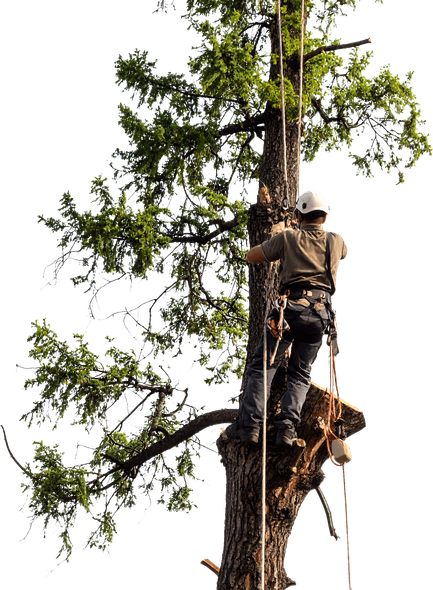
Effective tree removal practices are critical for securing the safety of the crew and limiting harm to nearby structures. Expert tree specialists conduct a thorough assessment of the tree's condition, where it is situated, and the surrounding environment before beginning the felling process. Arborists use specific tools, such as chainsaws and rigging gear, to guarantee precise cuts and manage the tree during its descent.
A well-planned removal strategy requires recognizing risks, such as power lines or nearby structures, which can impact the safety of the operation. Arborists often use a technique called "sectional dismantling," where the tree is cut down in small sections, reducing the risk of falling debris.
Furthermore, arborists adhere to local rules and standards to ensure adherence and ecological responsibility. Following the extraction, thorough clearing and removal of the remaining wood and brush, stump removal being included, help improve the overall security and look of the landscape.
Tree Planting and Relocation
Installing and relocating trees demands close attention of choosing the location and planting techniques to guarantee long-term health and successful establishment. An appropriate setting greatly affects a tree's development, while proper planting methods minimize stress and aid in successful rooting. Arborists emphasize these factors as vital for boosting the health and lifespan of trees in various settings.
Selecting an Appropriate Site
Finding the perfect spot for planting or transplanting trees is critical to their long-term health and growth. Elements like soil quality, the amount of sun, and drainage must be carefully evaluated. Certified arborists assess the site's characteristics, making sure that the selected area has enough food sources and stability for the specific tree type. Furthermore, the proximity to existing structures and surrounding flora is vital to avoid resource contention and steer clear of future injury. Experts must also evaluate the tree’s full-grown dimensions and root system, guaranteeing enough area for development. By conducting a thorough site analysis, these experts help clients make informed decisions that promote healthy, thriving trees, ultimately enhancing the landscape’s beauty and environmental worth.
Best Practices for Planting
When the planting spot is meticulously reviewed and picked, the next step involves employing ideal planting techniques for trees. Meticulous digging of the hole is essential; it should be double the diameter of the root system and no deeper than the root system itself. It is necessary to set the tree in the hole so that the top of the root ball is level with the surrounding soil. Refill using the original dirt, checking that all voids are filled, and irrigate completely to encourage early root growth. Adding a layer of mulch near the trunk aids in water retention and keep weeds down. Florence Arborist. If moving mature plants, it is crucial to limit damage to the roots and relocate the plant in its resting phase for the highest rate of success. Implementing these practices encourages strong vitality and longevity
Handling Tree Emergencies After Storms
When severe storms strike, the aftermath can leave trees in dangerous states, posing risks to property and safety. content Professional arborists play a vital role in emergency response, inspecting weather-damaged trees to determine their stability and health. Their expertise allows them to identify which trees are recoverable and which pose imminent hazards that require extraction.
Armed with the right gear, they can carefully cut damaged boughs and remove wreckage, minimizing further damage to nearby locations. They also provide valuable advice on preventive measures, such as choosing sturdy types of trees for future planting.
In addition to immediate response, tree specialists assist clients in grasping the future impacts resulting from the weather, giving counsel on how to repair and revive. By responding rapidly and capably, these experts do more than just secure homes but also help in the renewal of the local environment following major weather events.
Nutritional Support and Ground Care
Subsequent to storm damage, attention turns to the well-being of the trees that remain, highlighting the significance of nutrient assistance and earth maintenance. A certified tree specialist assesses ground quality and tree health to figure out specific nutritional needs. Trees need vital elements, like nitrogen, phosphorus, and potassium, to recover and thrive following stressful periods.
Soil management is crucial for nutrient availability and root development. Experts might advise soil amendments, such as organic matter, to boost the ground's composition and the action of microorganisms. Proper pH levels are also evaluated, as they influence how nutrients are absorbed.
Using mulching methods can help the soil hold water and suppress weeds, creating an ideal environment for the tree's recuperation. By developing a thorough nutritional plan and using smart soil maintenance methods, arborists ensure trees recover their vigor, resilience, and overall health, vital for maintaining a balanced ecosystem in the wake of ecological disruptions.
Common Queries
How Often Should I Have My Trees Inspected?
Trees should ideally be inspected annually for optimal condition. Nevertheless, more frequent evaluations might be required for younger trees, following harsh storms, or if they show signs of stress or sickness.
Which Credentials Should I Seek in an Arborist?
When hiring a tree specialist, one should look for credentials like ISA (International Society of Arboriculture) accreditation, relevant experience, proper liability insurance, and a good standing within the community, guaranteeing skill in arboriculture and safety practices.
Do Arborists Utilize Special Equipment for Tree Care?
Arborists utilize various specialized tools for tree care, like chainsaws, pruning shears, climbing gear, and stump grinders. Each tool serves a specific purpose, facilitating good care, pruning, and removal of trees and boosting total well-being and safety.
What is the Influence of Climate on Tree Health?
The climate significantly affects tree health; heavy rainfall may result in root rot, while lack of water weakens trees. Harsh weather conditions may cause damage to leaves and branches, which affects growth, sturdiness, and overall vigor of the trees.
Should I handle my own tree maintenance, or Do I need to call in a specialist?
While some basic tree care tasks are manageable by homeowners, hiring a professional is often advisable - Florence Arborist. Experts possess specialized knowledge and tools, making certain the trees obtain the proper care necessary for optimal development and health